study
painting technique and art history study guides.
tool
 color wheelan interactive red–yellow–blue wheel: harmonies, tints and shades, and paint mixing.
course · 8 parts
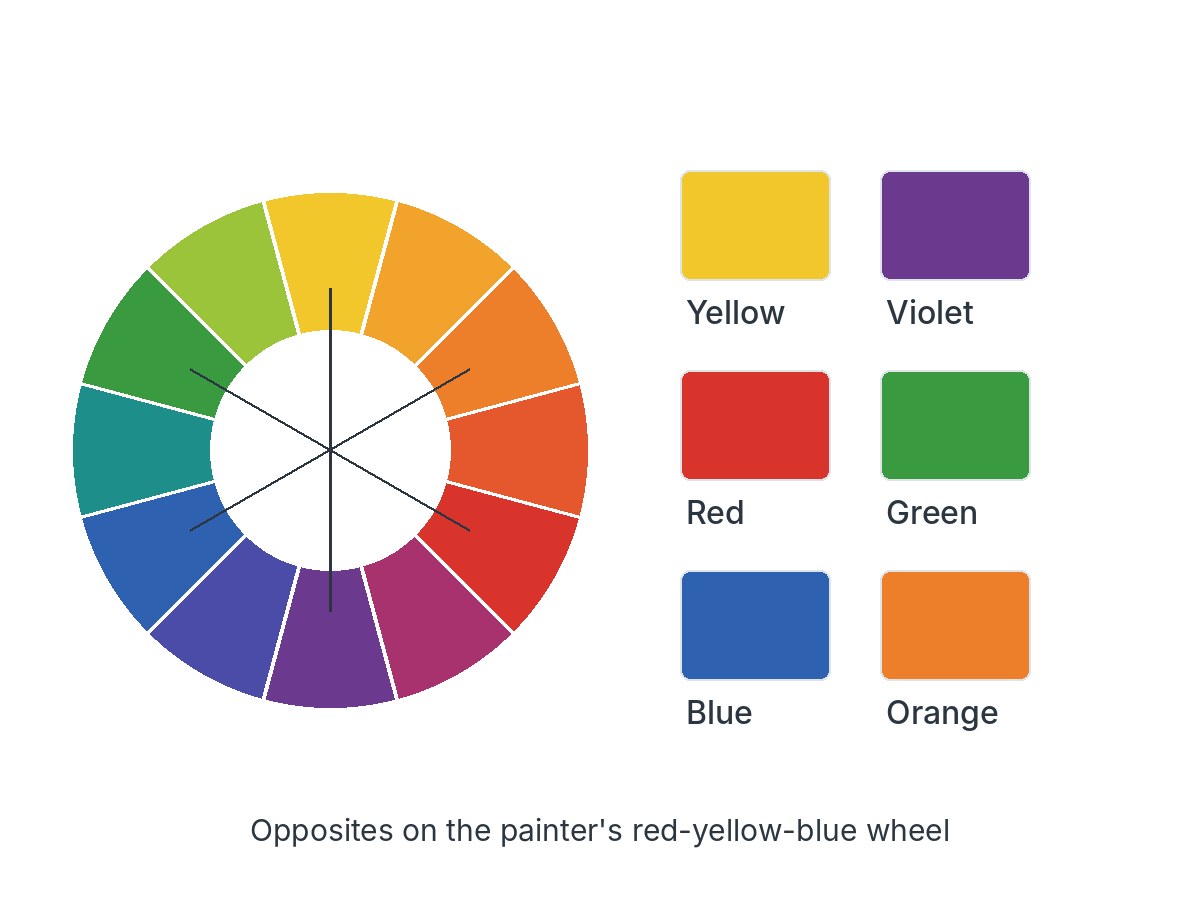 color theorya short course on color for painters, from light and the eye to harmony, contrast and pigment, with historic plates, original diagrams and public-domain paintings.
course · 5 parts
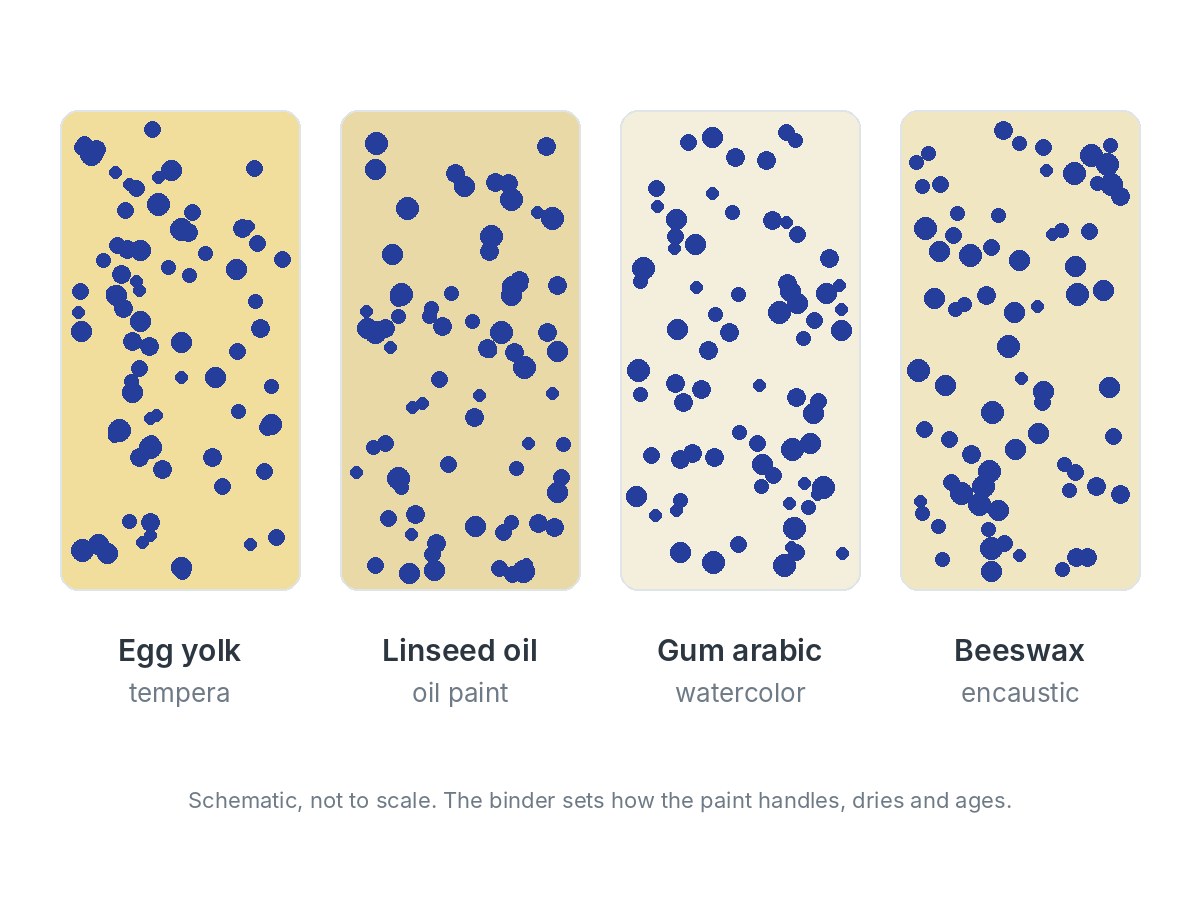 pigments and materialsa short course on what paintings are made of, from ancient pigments to binders, supports and grounds, with historic plates, original diagrams and public-domain works.
course · 6 parts
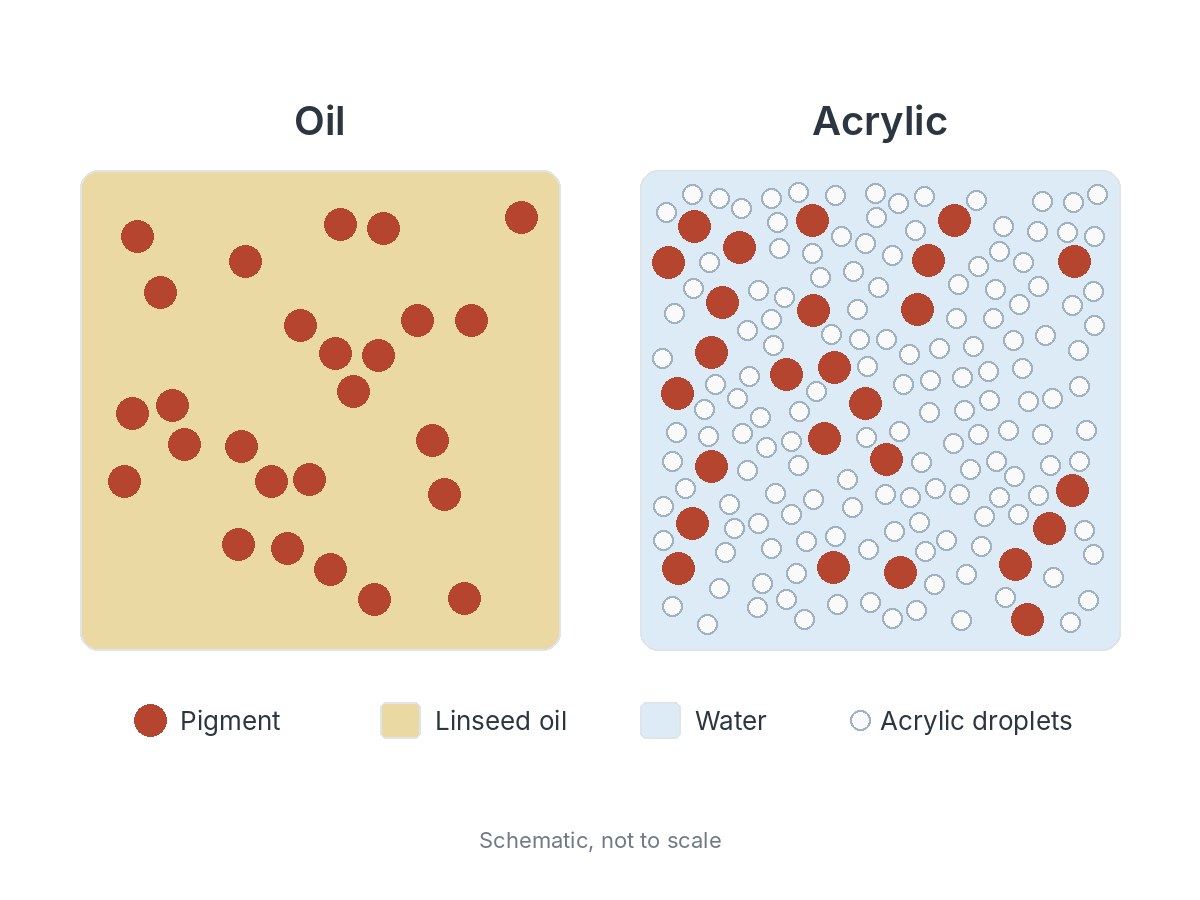 oil vs acrylica short course on how oil and acrylic paint differ, from how each dries to how each ages, with historic plates, original diagrams and example paintings.
color wheelan interactive red–yellow–blue wheel: harmonies, tints and shades, and paint mixing.
course · 8 parts
color theorya short course on color for painters, from light and the eye to harmony, contrast and pigment, with historic plates, original diagrams and public-domain paintings.
course · 5 parts
pigments and materialsa short course on what paintings are made of, from ancient pigments to binders, supports and grounds, with historic plates, original diagrams and public-domain works.
course · 6 parts
oil vs acrylica short course on how oil and acrylic paint differ, from how each dries to how each ages, with historic plates, original diagrams and example paintings.
c. 575 bce–1903
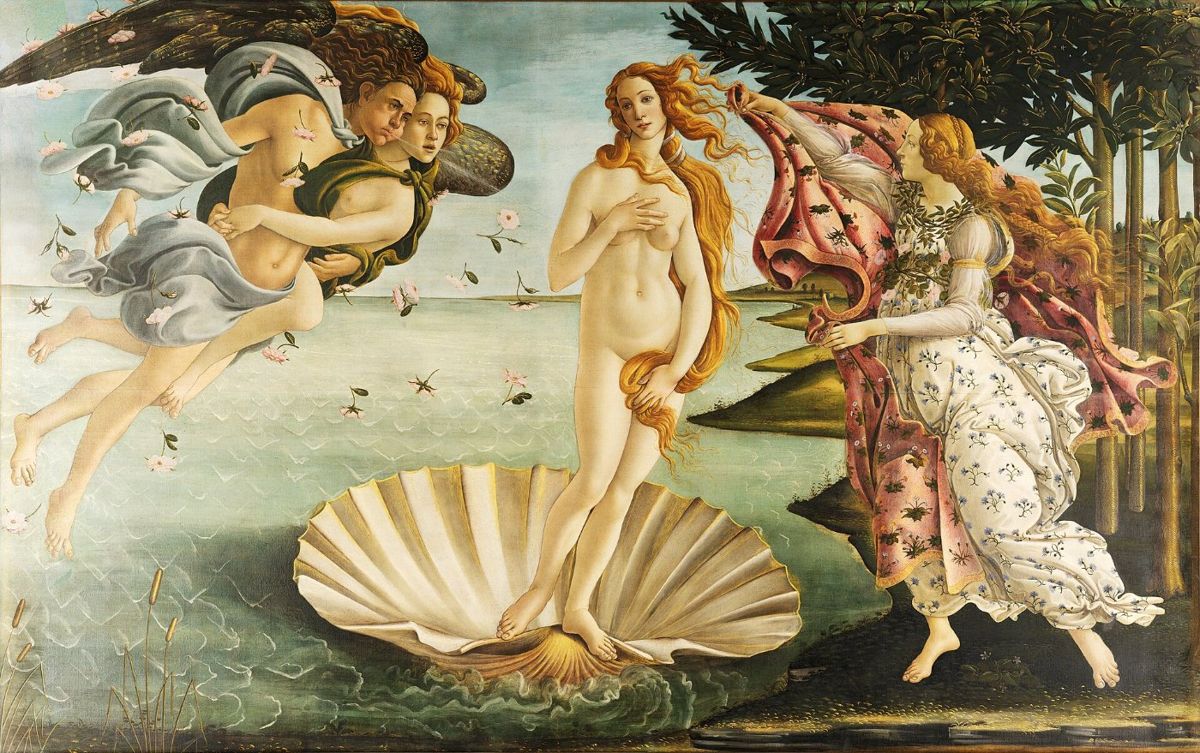 classical myth in artthe greek and roman gods and heroes in 60 paintings, sculptures, and vases, across 7 modules.
1760s–1860s
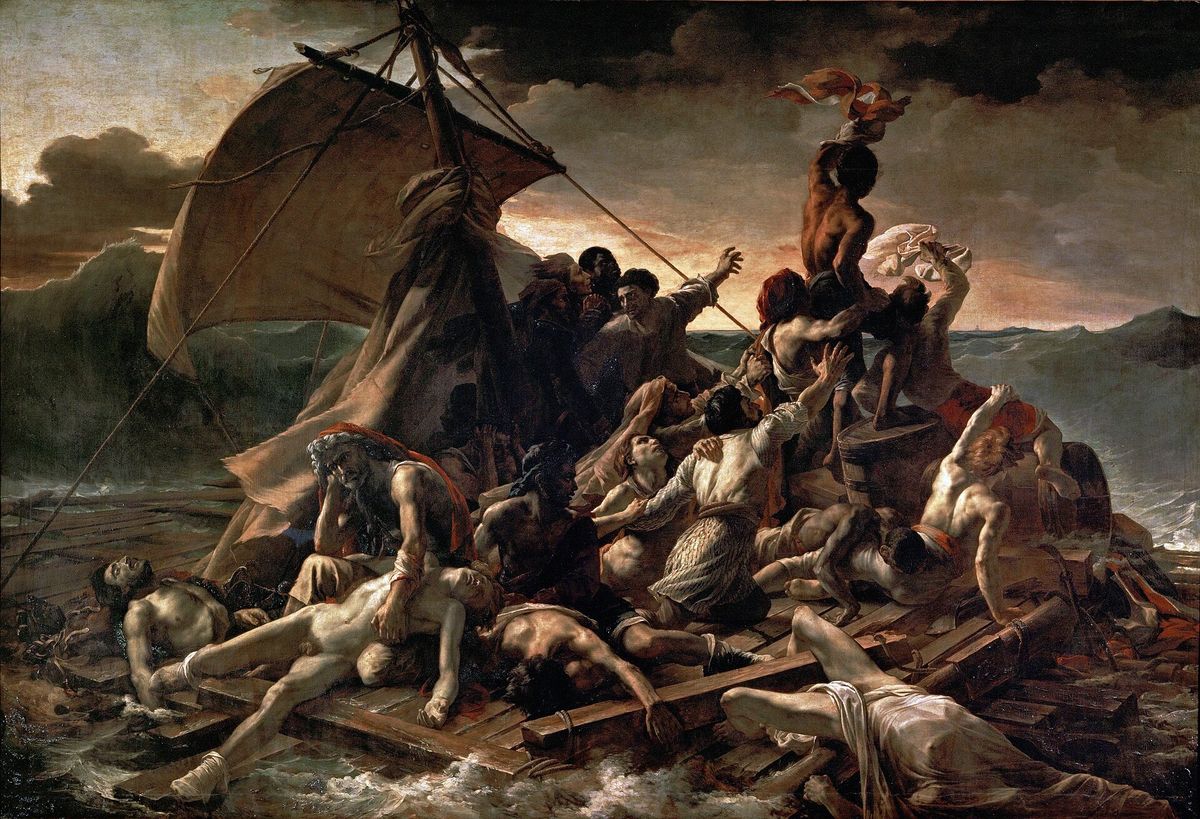 romanticismsixty-four works trace romanticism from fuseli, blake and goya to géricault, delacroix, turner, constable, friedrich and the hudson river school.
1860s–1890s
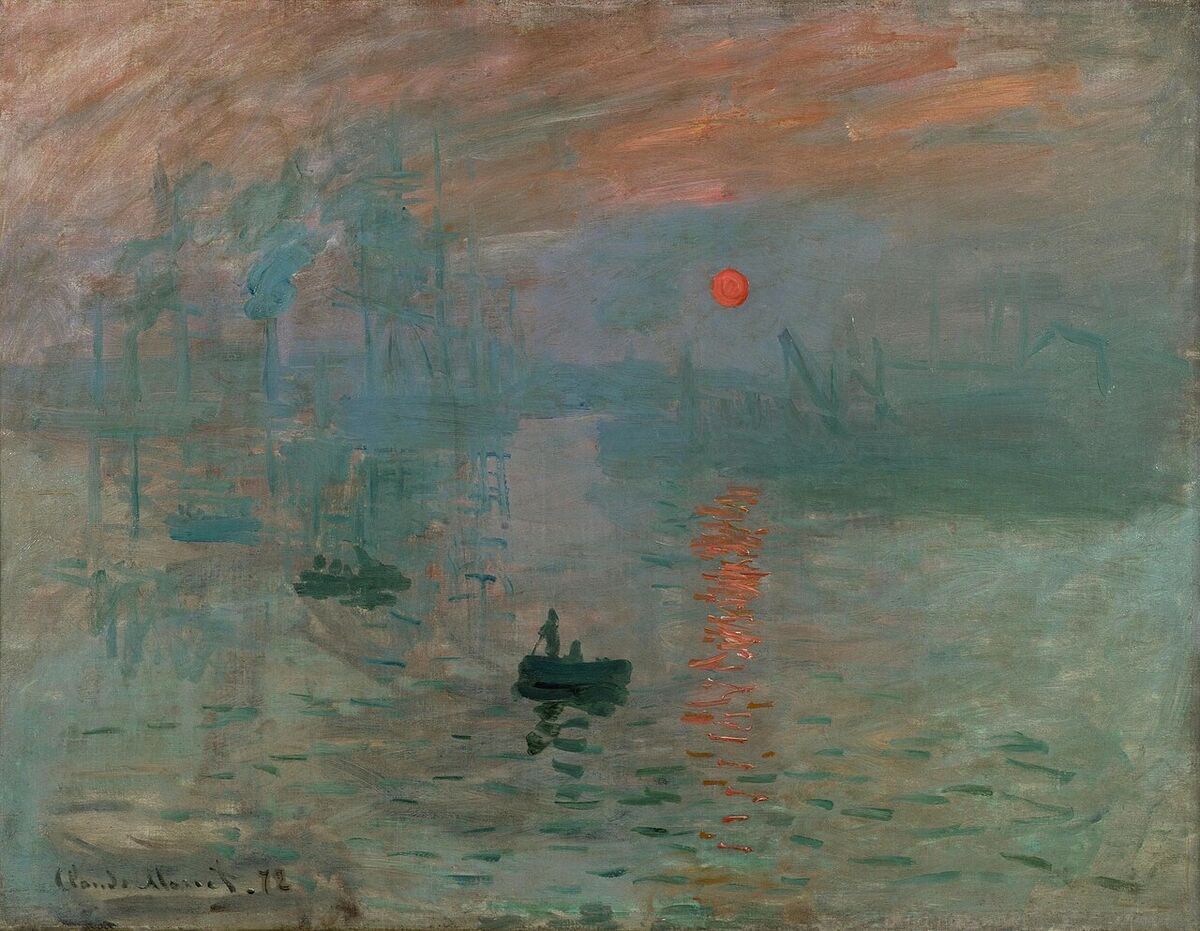 impressionismfrom the paris salon and manet to monet’s water lilies in 60 works, across 6 parts.
1880s–1900s
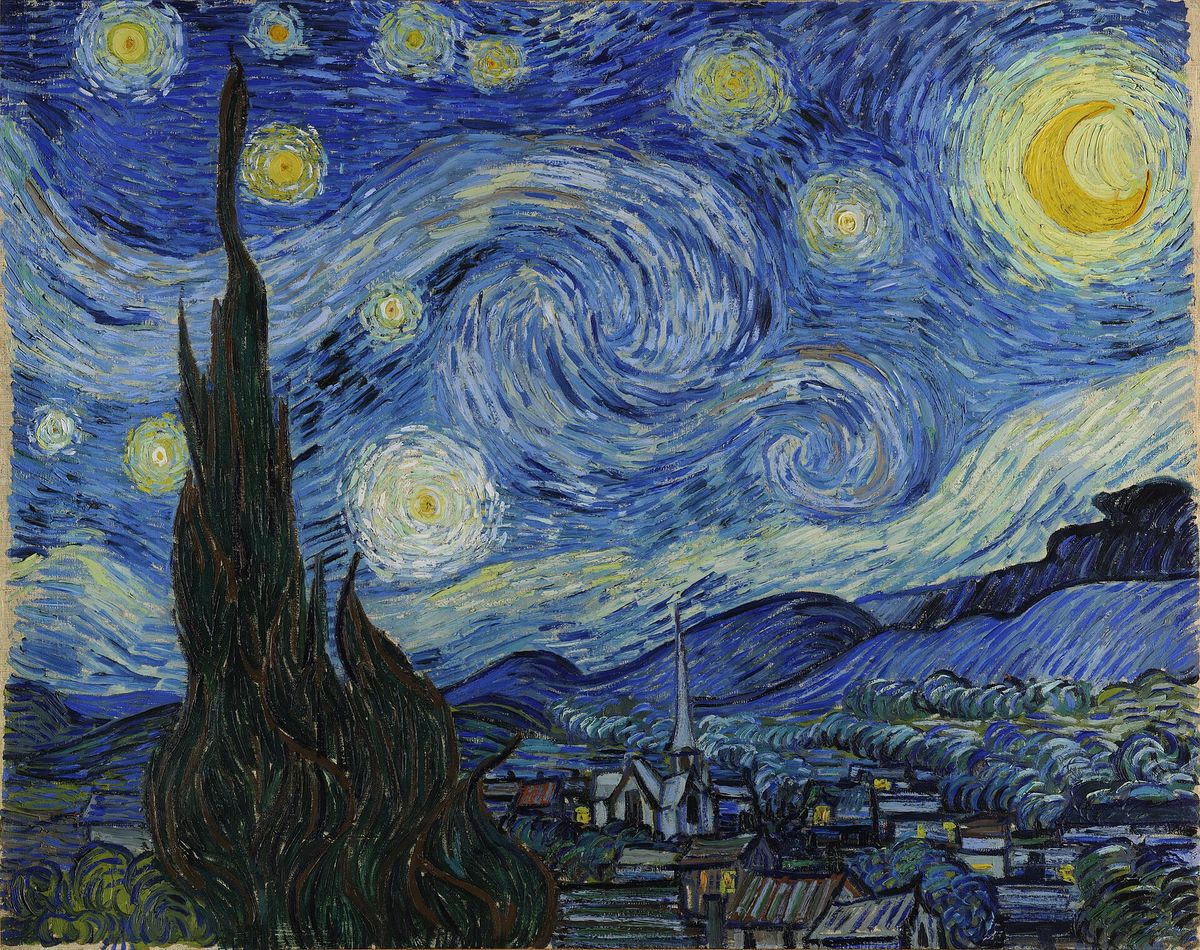 post-impressionismfrom seurat and cézanne to van gogh, gauguin, the nabis and the symbolists in 74 works, across 7 parts.
1905–1918
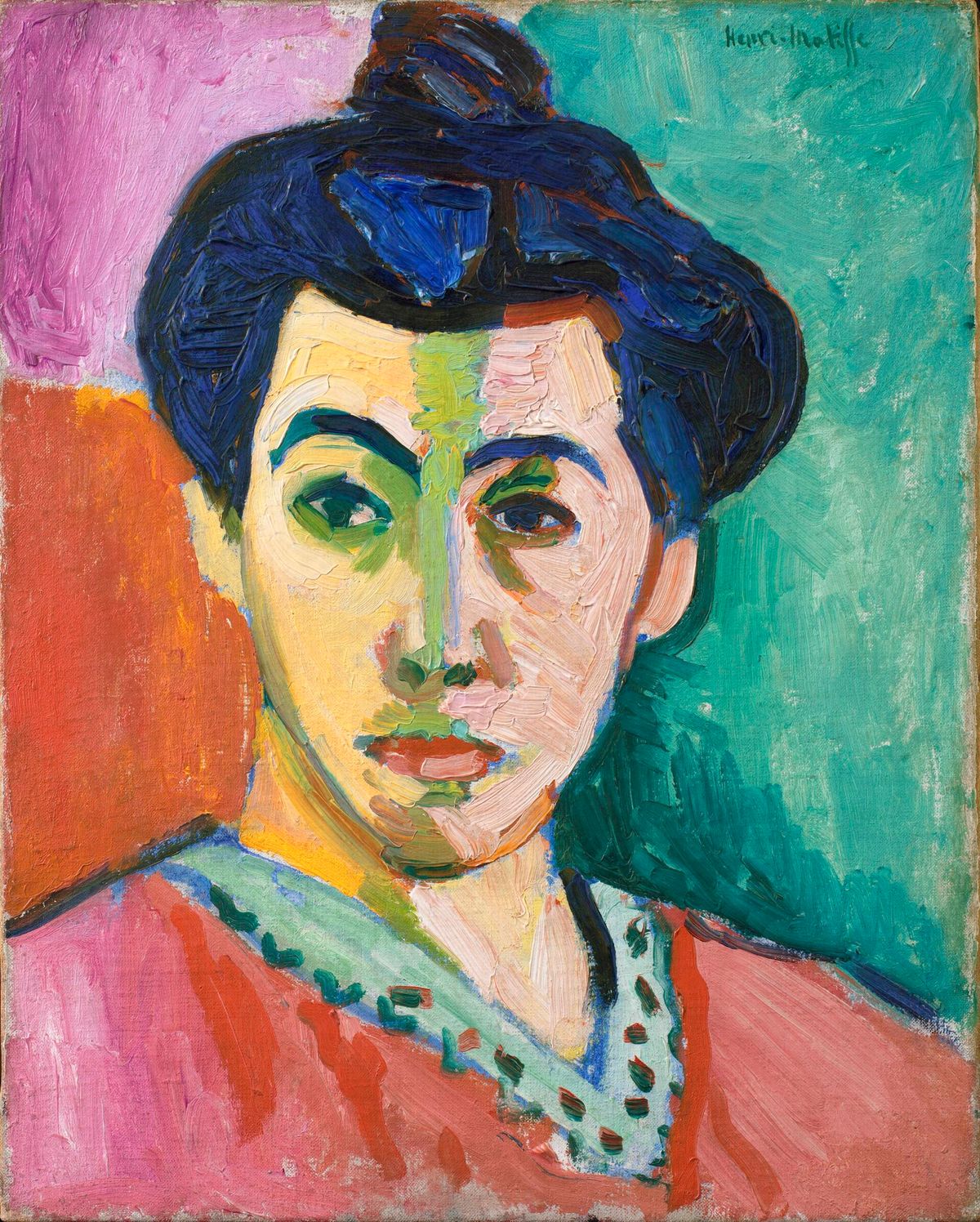 fauvism and early expressionismfifty-four works trace fauvism and early expressionism from matisse and derain to die brücke, the blue rider and vienna.
classical myth in artthe greek and roman gods and heroes in 60 paintings, sculptures, and vases, across 7 modules.
1760s–1860s
romanticismsixty-four works trace romanticism from fuseli, blake and goya to géricault, delacroix, turner, constable, friedrich and the hudson river school.
1860s–1890s
impressionismfrom the paris salon and manet to monet’s water lilies in 60 works, across 6 parts.
1880s–1900s
post-impressionismfrom seurat and cézanne to van gogh, gauguin, the nabis and the symbolists in 74 works, across 7 parts.
1905–1918
fauvism and early expressionismfifty-four works trace fauvism and early expressionism from matisse and derain to die brücke, the blue rider and vienna.